Before You Buy a Cold Plunge, Read This: The Science of Cold Exposure, Resilience, and Recovery
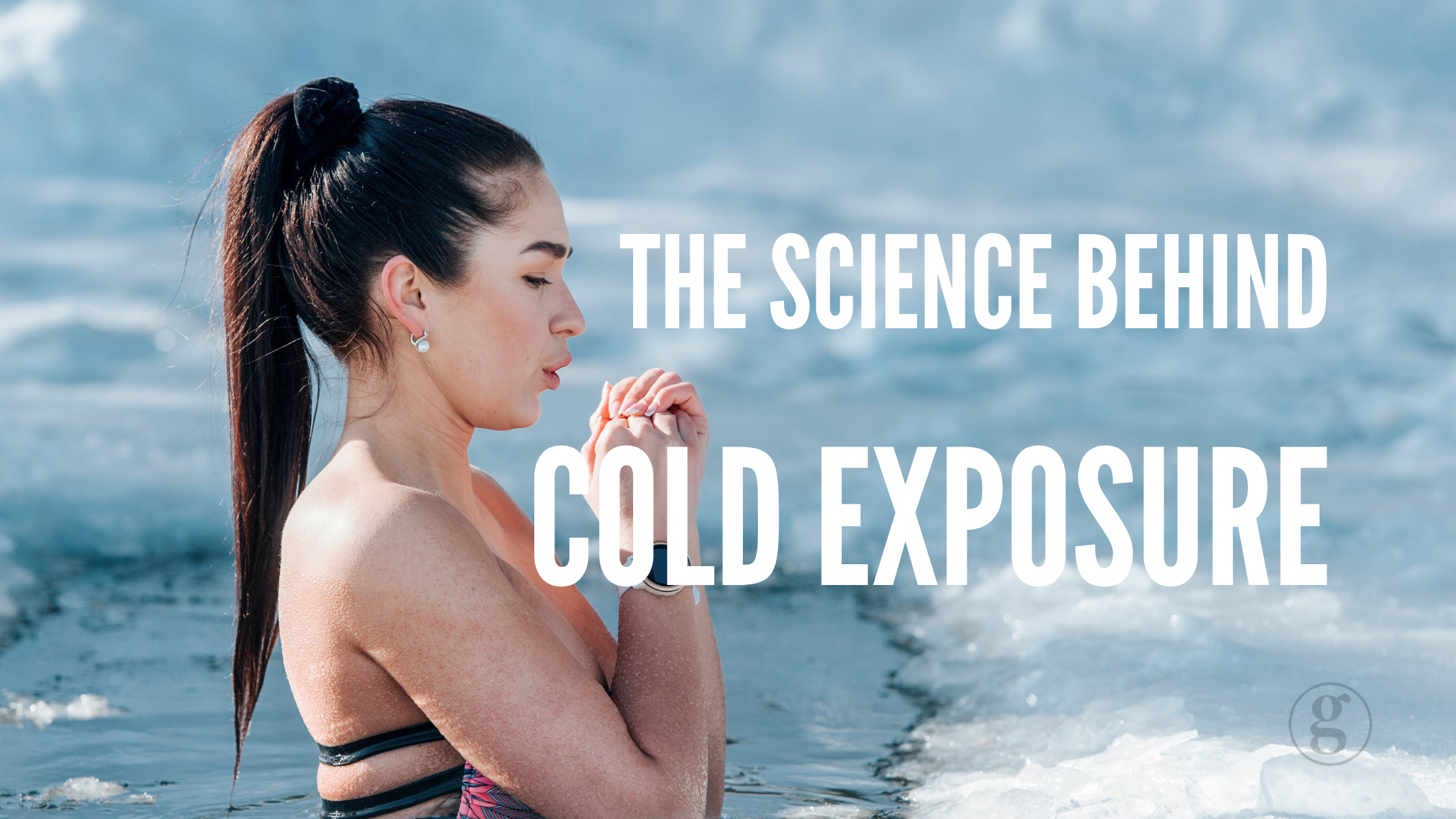
Can a Cold Plunge Really Rewire Your Brain and Body?
Cold plunging has exploded in popularity—fueled by viral videos, influencer challenges, and high-profile advocates. Claims range from “500 calories burned per session” to “instant mood transformation.”
But the truth is far more nuanced. The benefits depend on your physiology, your health status, and how intelligently you approach the practice.
In this post, I’ll break down what the research actually shows, how to use cold exposure safely, and why your biology—not the internet—should guide your recovery routine.
And for the record, the frostbite story you may have seen online wasn’t mine—it was my co-host, Dr. David Moore’s, experience.
Understanding the Science Behind Cold Exposure
Before we dive into the myths and benefits, let’s define what we mean by cold exposure.
It isn’t limited to expensive cryotherapy chambers or ice baths. Cold exposure includes anything that drops your skin temperature significantly—whether that’s a plunge into 50°F water or ending your morning shower on cold for 30 seconds.
Cold exposure works by activating the autonomic nervous system, the same system that regulates heart rate, blood pressure, and body temperature.
When done strategically, it’s a form of hormetic stress—a positive, short-term stressor that teaches the body to adapt and grow stronger.[¹]
The Research Problem: Context Is Everything
Many of the studies that ignited the cold plunge craze were either small, misinterpreted, or based on biased outcomes.
Early research popularized by media figures often lacked real-world context—using young, healthy college athletes as test subjects and then generalizing the findings to middle-aged adults with chronic inflammation, insulin resistance, or arthritis.
Here’s the key issue: you are not the average of a study group.
What works for a 22-year-old with perfect metabolic health might not apply to someone in their 50s managing pain, joint stiffness, or chronic stress. Context—and biological individuality—matters.
From Frostbite to Function: Dr. David’s Cold Plunge Journey
When my co-host, Dr. David Moore, decided to test the cold plunge trend, he committed to doing it for 30 consecutive days. By day three, his enthusiasm turned into frostbite—literally.
He had doubled up on plunges, layered cold showers on top of them, and pushed past his body’s adaptation limits. His body reacted with inflammation, illness, and fatigue.
But here’s what’s important: after adjusting his approach—plunging every other day at 50°F instead of 32°F—he began to experience measurable benefits.
His pain levels decreased, his energy improved, and his focus sharpened. The difference wasn’t in the act of cold plunging itself, but in respecting his body’s threshold for stress.
The Real Benefits of Cold Exposure
When used properly, cold exposure can be a powerful tool for inflammation management, recovery, and mental clarity—but it’s not magic.
Let’s break down what the research and clinical experience actually support:
1. Circulatory Resilience
Cold exposure triggers vasoconstriction (tightening of blood vessels), followed by vasodilation (expansion). This “exercise” for your vascular system strengthens arterial walls and supports better circulation over time—especially when combined with movement and sauna use.
2. Inflammation and Pain Relief
Cold exposure temporarily reduces inflammation by decreasing nerve conduction velocity and constricting blood flow to affected tissues.[²]
This is why athletes have used ice therapy for decades—it dulls pain and speeds recovery. However, it’s not curative. The benefit is acute, not cumulative.
3. Mental Resilience and Neurochemistry
A 2022 study found that cold immersion triggers the release of dopamine, norepinephrine, serotonin, and endorphins—the same neurotransmitters that regulate focus, motivation, and mood stability.[³]
In other words, your body creates a natural antidepressant response. That post-plunge clarity isn’t just psychological—it’s biochemical.
4. Adaptation and Hormesis
By exposing your body to controlled stress, you strengthen your ability to adapt to all stressors. Cold exposure, fasting, heat therapy, and resistance training all fall under hormesis, which drives cellular repair, mitochondrial health, and improved immune function over time.
Cold Plunge Myths (and the Truth Behind Them)
| Myth | Reality |
|---|---|
| You burn 500 calories per plunge | In reality, it’s a small temporary increase in metabolism—comparable to a brisk walk. |
| It “cures” anxiety or depression | It can improve mood and mental clarity, but it’s not a substitute for therapy or medication. |
| The colder, the better | Going too cold too fast can shock your system. Start at 55–60°F and progress gradually. |
| More time = more benefit | 3–5 minutes is the sweet spot. Beyond that, the risks outweigh the returns. |
Safety, Strategy, and Practical Use
Like exercise, cold exposure must be introduced gradually. Jumping into an ice bath unprepared is like loading a barbell with your body weight on your first day at the gym—you’ll hurt yourself.
Here’s how to start safely:
- Begin with cold showers. End your shower with 30 seconds of cold water. Build tolerance before attempting full immersion.
- Start at 55–60°F. You’ll still get benefits without the risk of shock or nerve injury.
- Stay submerged for 3–5 minutes max. Focus on steady breathing rather than duration.
- Avoid if you have circulation disorders, Raynaud’s, or uncontrolled cardiovascular issues.
- Pair with movement and heat exposure. Sauna and cold alternation strengthens the cardiovascular system.
The Real Goal: Resilience, Not Extremes
We live in an age of comfort abundance. Homes are perfectly climate-controlled. We rarely experience true physical challenge. Yet, the body thrives on variation—it’s built to adapt.
Cold plunging isn’t about punishment. It’s about reawakening your body’s ability to respond.
It’s a tool to recalibrate your nervous system, improve blood flow, and sharpen your mind. When done safely, it teaches your body—and your brain—that you’re built for resilience.
Conclusion
Cold exposure can absolutely be part of a healthy longevity plan, but it’s not a magic bullet. It’s one of many tools that help restore your body’s natural balance and adaptability.
Used wisely, it can reduce inflammation, heighten focus, and improve recovery. Used recklessly, it can cause harm.
Start slow, be consistent, and listen to your body’s feedback.
Remember: health isn’t found in extremes. It’s built through sustainable, evidence-based habits repeated over time.
Key Takeaways
Cold plunging works through hormetic stress—a short, controlled exposure that builds resilience.
- Benefits include improved circulation, reduced inflammation, and mood regulation.
- Start safely at 55–60°F for 3–5 minutes, and never push through pain or numbness.
- Research is evolving, but clinical experience supports its use for recovery and mental focus.
- The goal is not discomfort—it’s adaptation and longevity.
References
[1] Calabrese EJ et al., Hormesis and Homeostasis in Physiology: Fundamental Implications for Therapeutics, Pharmacology & Therapeutics, 2018.
[2] Bleakley CM, Davison GW, What is the Biochemical and Physiological Rationale for Using Cold Water Immersion in Sports Recovery? Sports Medicine, 2010.
[3] Van Tulleken C et al., Cold Water Immersion and Its Effects on Brain Neurochemistry and Mood Regulation, Frontiers in Neuroscience, 2022.
Want to learn more about optimizing your health and longevity? Visit our Blog Home Page for more expert insights. If you’re interested in working directly with Dr. G to see if you’re an ideal client, you can explore more here. Additionally, take a look at Dr. G’s supplement line for products designed to support your metabolic health at Cyrene Labs (Cyrene labs products are only available through licensed providers).